Longtom Dierekliniek – Your Trusted Veterinary Clinic in Lydenburg, Mpumalanga
Nestled in the heart of Lydenburg, Mpumalanga, Longtom Dierekliniek is a compassionate and professional veterinary practice dedicated to the health and well-being of animals – both large and small. Our team of experienced veterinarians and caring staff offer a full range of veterinary services, including routine check-ups, vaccinations, diagnostics, surgery, emergency care, and farm visits.
At Longtom Dierekliniek, we believe in a personal approach to animal care. We treat every pet and production animal as if they were our own, ensuring they receive the best possible treatment in a calm and supportive environment.
Whether you have a beloved family pet or manage livestock, our clinic is equipped with modern facilities and diagnostic equipment to meet your animal’s needs. We proudly serve the Lydenburg community and surrounding areas, building lasting relationships with animal lovers and farmers alike.
Contact us today to book an appointment or for advice – we’re here to help you care for your animals.
 Location: Lydenburg, Mpumalanga
 Phone: 071 285 8122
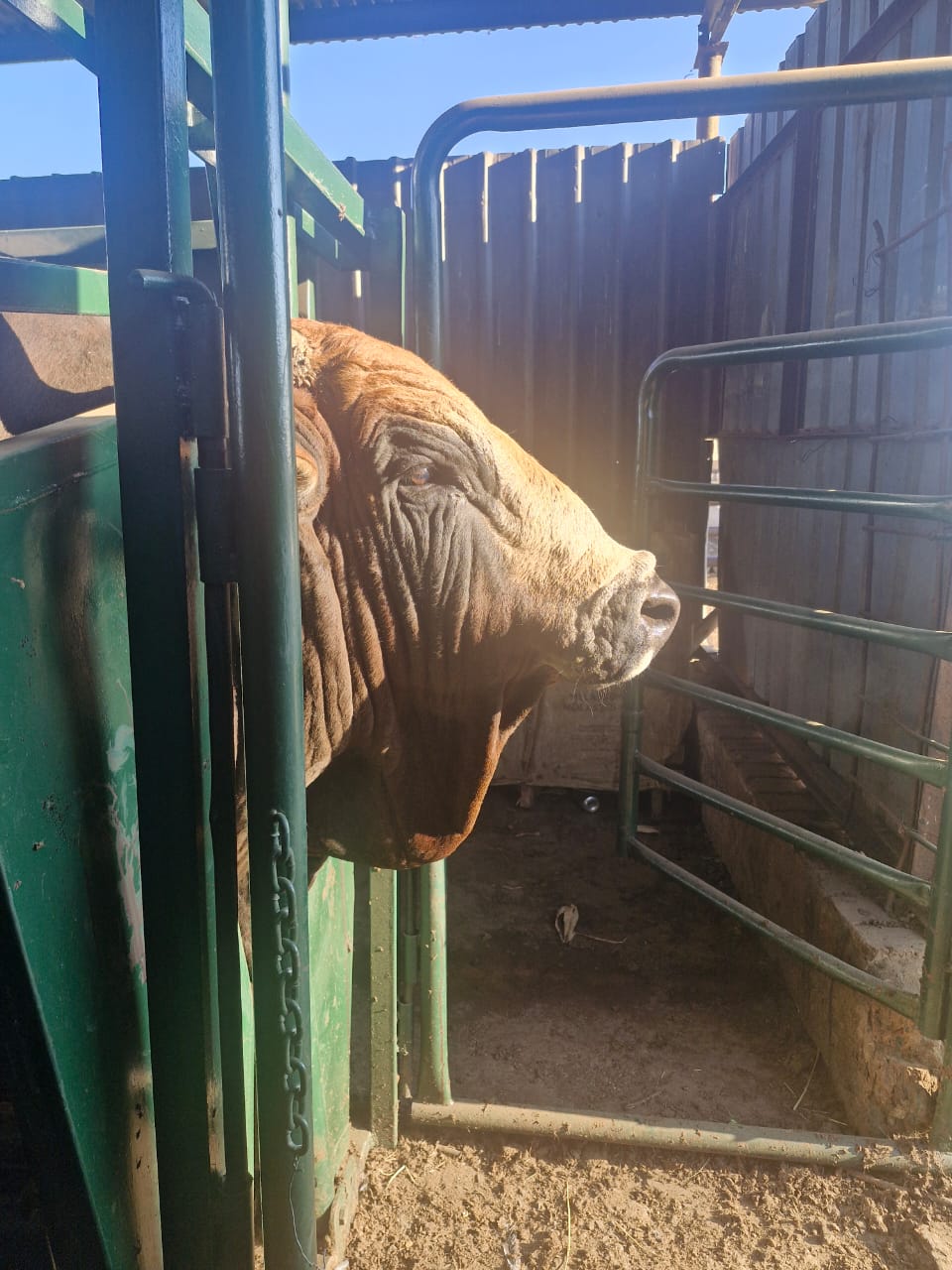
The ideal breed for GRASS FED BEEF.
Having been improved under the natural conditions of Africa the Boran offers today breeders exactly what they are looking for.
The genetic composition of the Boran is unique, making it your best choice for cross breeding:
● European Bos Taurus – 24%
● BosIndicus – 64%
● African Bos Taurus – 12%
Heat Tolerant: Excellent resistance to heat and UV radiation.
Tick & Disease Resistance: Strong immunity to local diseases and parasites.
Drought Resistant: Can survive and produce under harsh, dry conditions.
High Fertility: Early maturity and high calving rate.
Longevity: Cows remain productive for many years (some up to 15 years or more).
Strong Maternal Instinct: Protective mothers, good milk production for calves.
Fast Growth: Calves grow quickly, especially in crossbreeding programs.
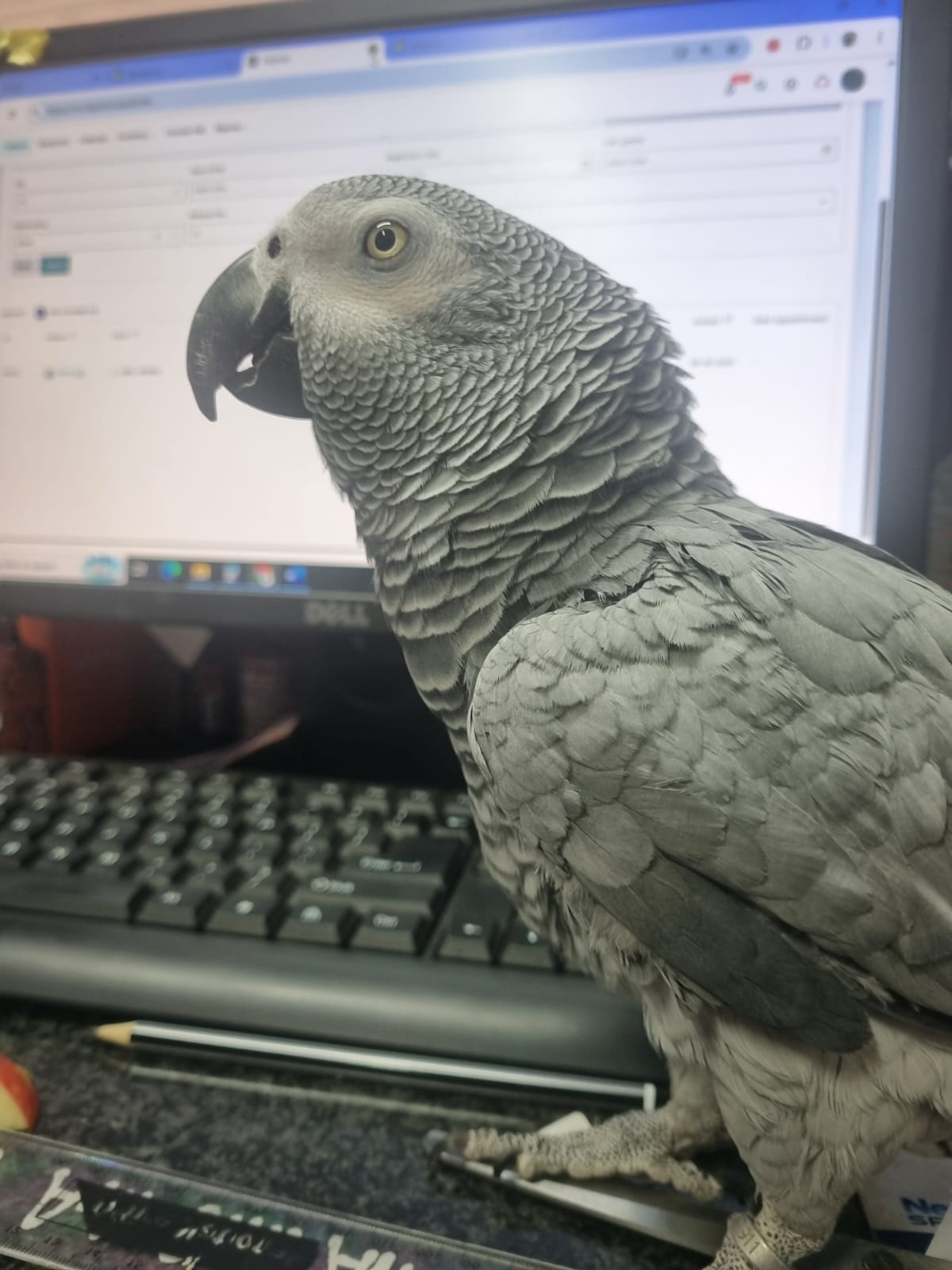
The African Grey Parrot – Considered one of the most intelligent bird species.
Lifespan: 40–60 years (sometimes longer with proper care)
Size: 30–40 cm (12–16 inches) in length
Weight: 400–600 grams
Can Mimic Human Speech: African Greys can learn hundreds of words and sounds.
Cognitive Ability: Comparable to a 4–6 year old child in problem-solving and understanding.
Emotional Needs:
Highly social and require daily interaction.
Can become depressed or pluck feathers if neglected.
Diet:
Needs a balanced diet: pellets, fresh fruits, vegetables, and occasional seeds.
Enrichment:
Requires toys, puzzles, and regular training to stay mentally stimulated.
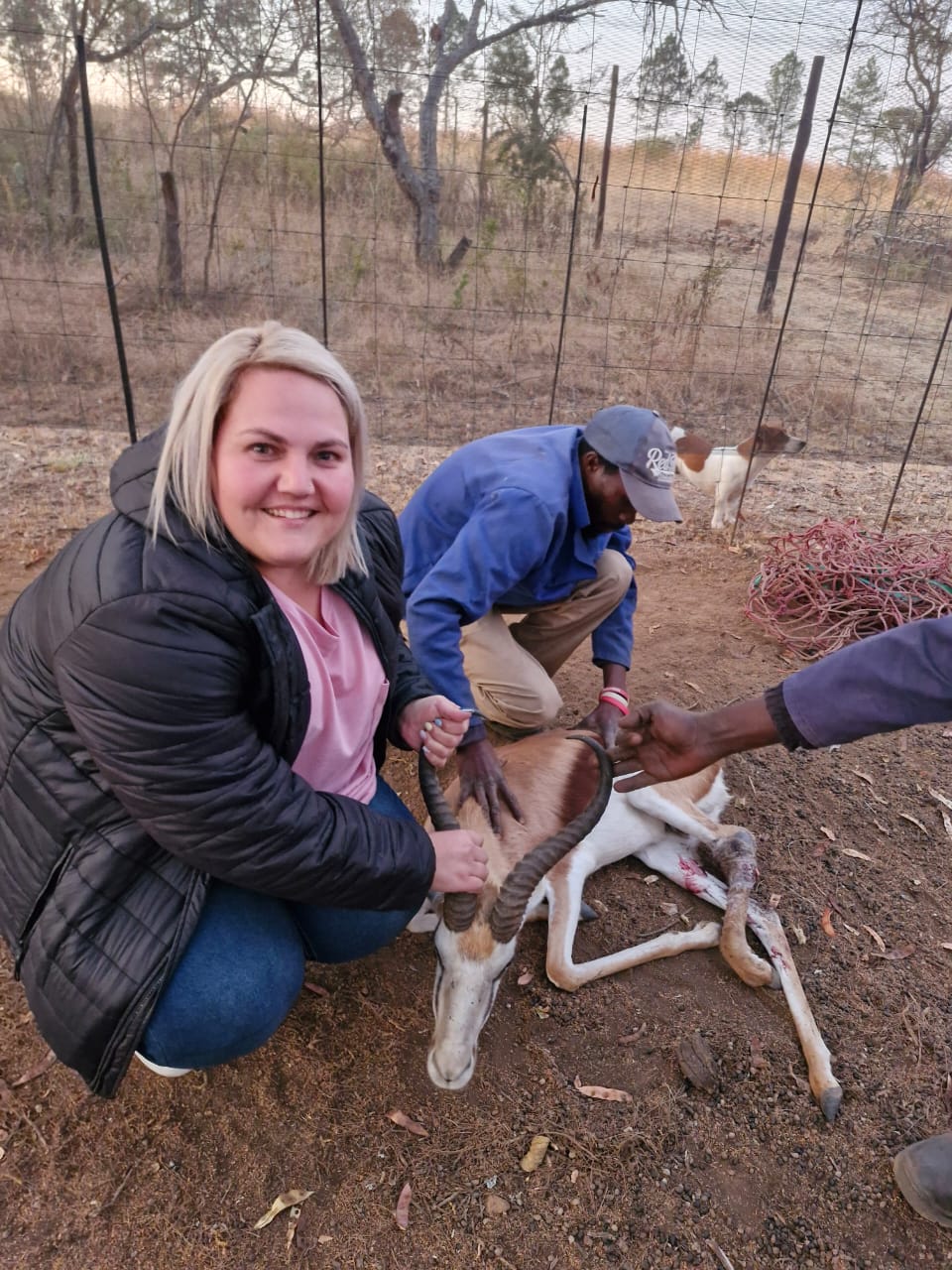
DID YOU KNOW?
Springboks have a built-in “boing” system!
When they’re excited (or trying to impress), they do a hilarious move called “pronking”—they leap straight into the air with stiff legs, arched backs, and puff out a white flap of fur on their backside. Scientists think it’s to show off how fit they are, but honestly… it just looks like they’re showing off some serious dance moves!
Scientific Name: Antidorcas marsupialis
Common Name: Springbuck or Springbok
Lifespan: Around 7–10 years in the wild
Weight: 25–48 kg (55–106 lbs)
Height at shoulder: About 70–90 cm (27–35 in)
Herbivores, mainly feeding on grasses, leaves, and shrubs.
Can survive long periods without water, getting moisture from the plants they eat.
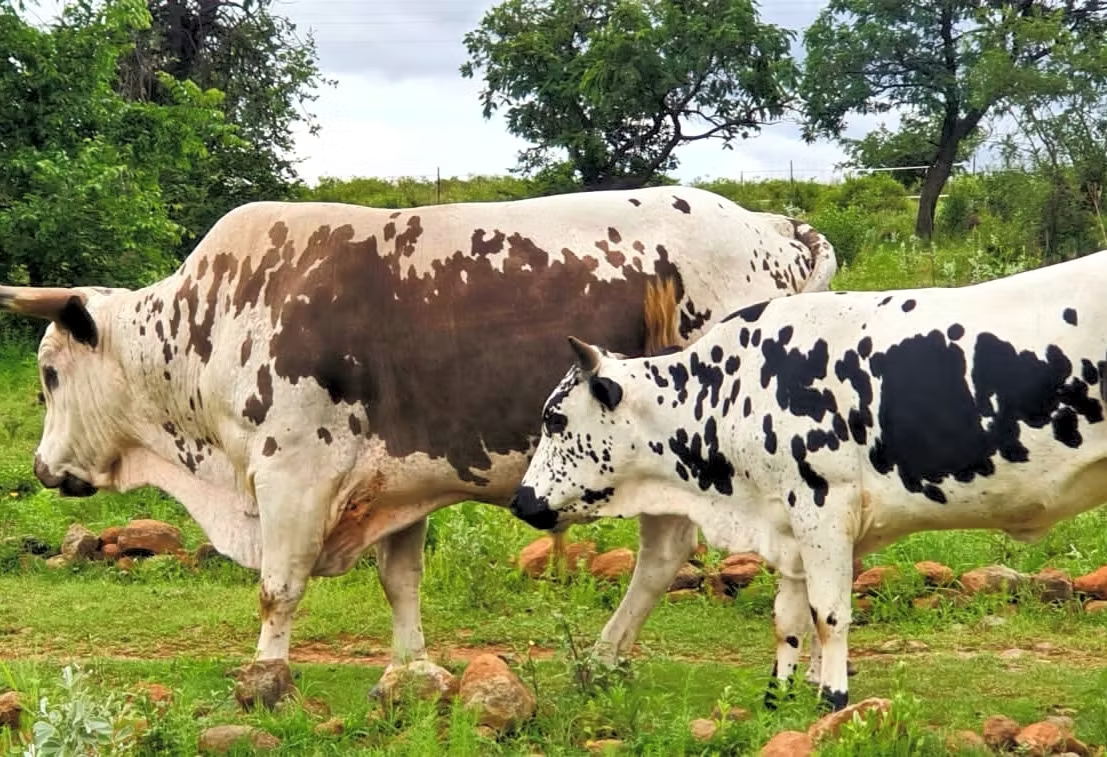
A very interesting fact about Nguni cattle is that each Nguni cow has a unique pattern of spots, much like a human fingerprint. No two Nguni cows have the exact same pattern, making them easily identifiable to experienced herders. In traditional Zulu culture, these patterns even have specific names and meanings, and the cattle are often named based on their color and markings.
Type: Indigenous Sanga-type cattle — a cross between Bos taurus and Bos indicus (humped zebu).
Distinctive Color Patterns: Famous for their wide variety of multi-colored hides with patterns such as speckles, spots, and marbling — no two are alike.
Horns: Both males and females have horns, typically curved and lyre-shaped.
Size: Medium-framed cattle with a sleek, muscular build.
Skin: Very loose skin helps them handle heat and parasites better.
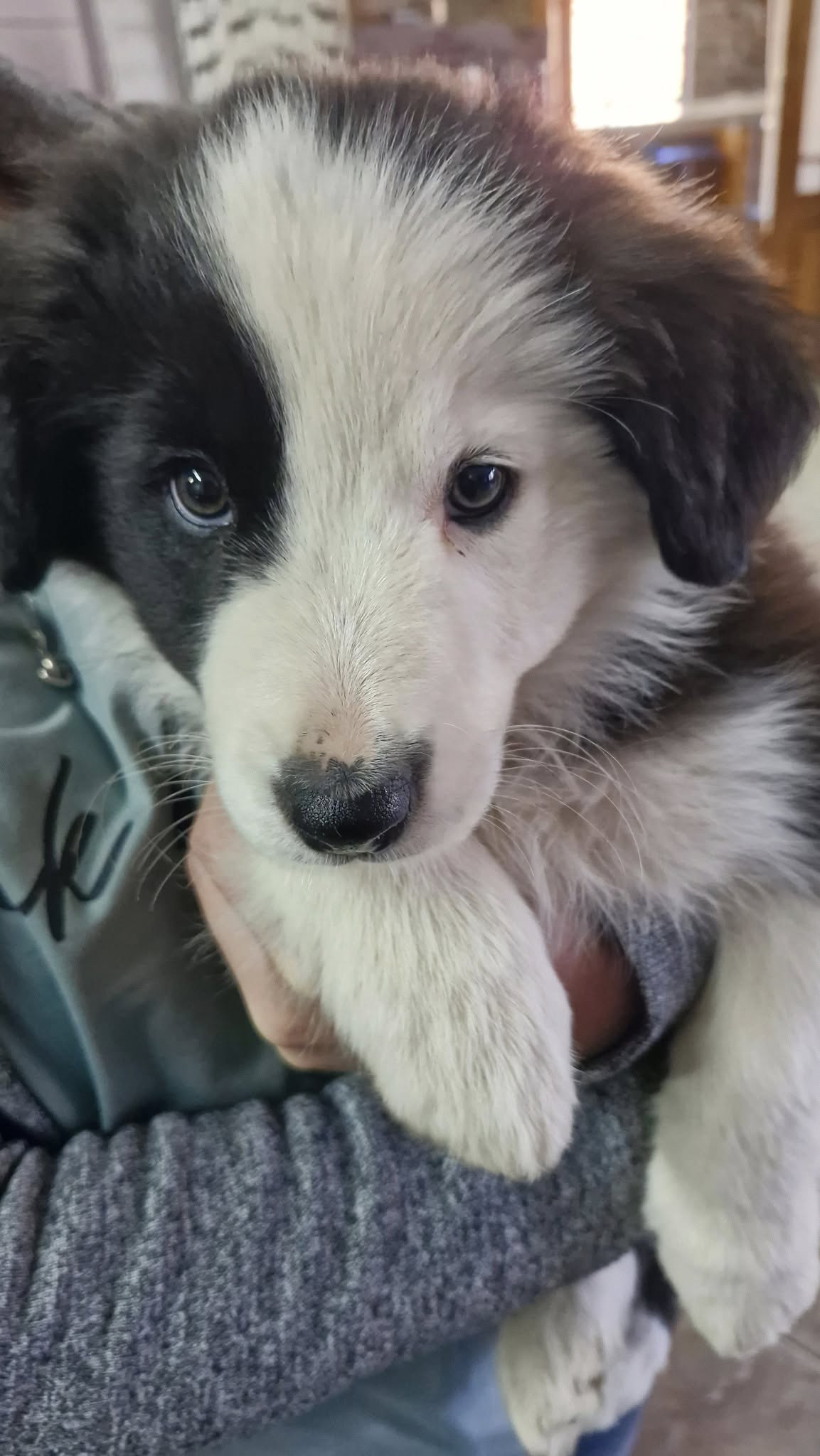
The Border Collie – one of the most intelligent and energetic dog breeds
Border Collies are widely regarded as the most intelligent dog breed.
They can learn hundreds of words and commands, and are quick problem-solvers.
They’re often used in obedience and agility competitions because of their sharp minds and responsiveness.
Bred for herding livestock, especially sheep.
Their strong work ethic and instinct make them excellent farm dogs.
Known for their distinctive “eye” — an intense gaze used to control animals.
Extremely high energy — they need a lot of exercise every day.
Not suited for apartment living unless their energy needs are met.
Boredom or lack of stimulation can lead to destructive behavior.
Loyal and very attached to their families.
Can be shy or reserved around strangers but not aggressive.
Good with children and other pets if properly socialized.
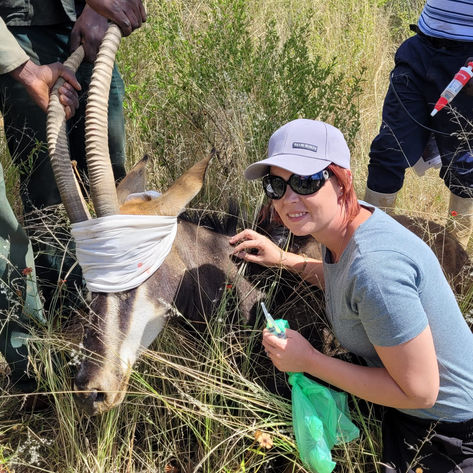
The drama queens of the bush.
Sables will literally pose dramatically with their chins up and horns arched, like they’re doing a photoshoot for Wild Vogue.
Social animals, living in herds of 10–30 individuals, led by a dominant female.
Males are territorial and will fight for control of herds using their impressive horns.
Known for their aggression when threatened, even standing up to predators like lions.
Grazer and browser: feeds on grasses, leaves, and herbs
Lives in herds of up to 30 individuals, usually females and young led by a dominant female
Males are territorial and may fight by kneeling and jousting with their horns
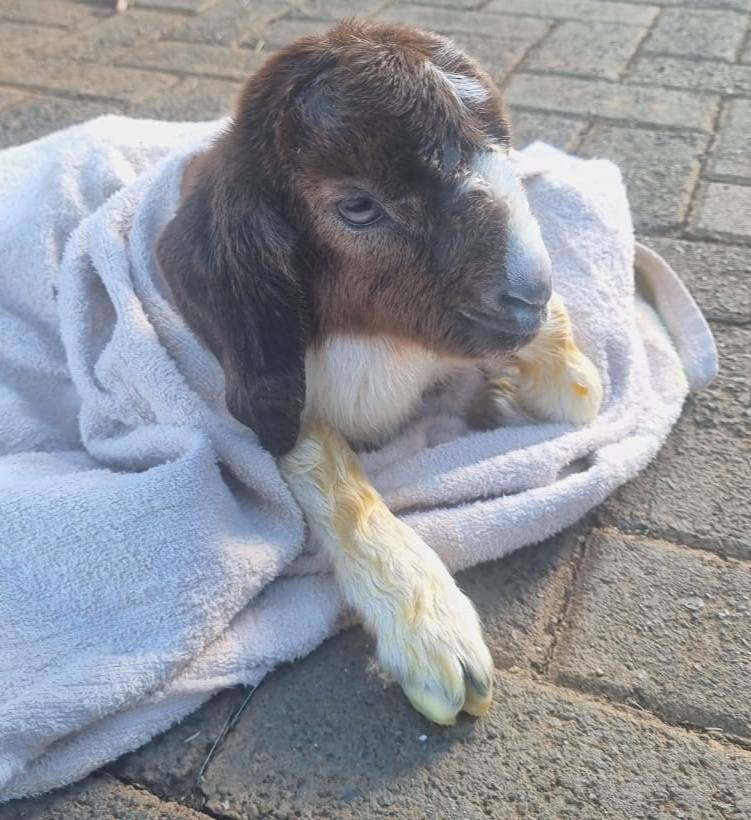
Boer goats grow faster than most other goat breeds — kids can gain up to 200–400 grams per day under ideal conditions!
Origin: South Africa (developed in the early 1900s).
Purpose: Primarily bred for meat production.
Appearance:
White body with a reddish-brown head and neck.
Muscular, blocky body with a strong frame.
Long, pendulous ears.
Weight:
Males (bucks): 110–135 kg (some up to 150 kg).
Females (does): 90–100 kg.
Growth Rate: Fast-growing breed – kids reach market weight quickly.
Highly Fertile
Boer does often produce twins or triplets, and can kid three times in two years under good management.
Heat and Drought Tolerant
Being native to South Africa, Boer goats are naturally resistant to heat and dry climates, making them ideal for arid regions.
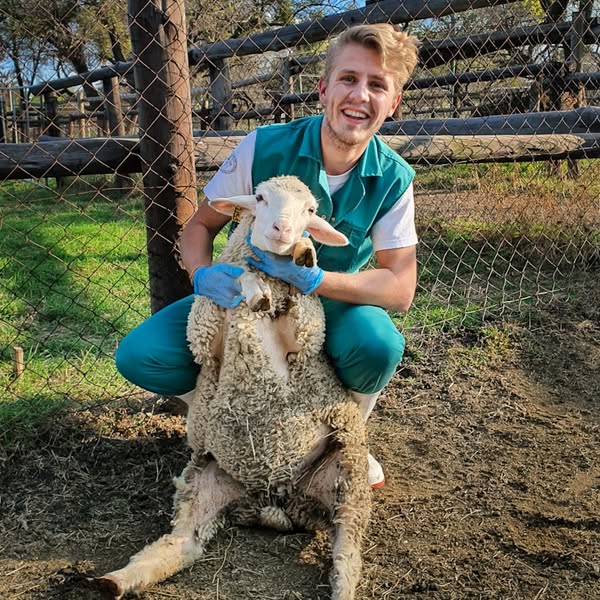
Did you know?
Merino sheep produce one of the softest and finest types of wool in the world.
Merino sheep originated in Spain and were once so valuable they were protected by royal decree.
Today, countries like Australia, New Zealand, and South Africa are major producers.
Merino wool is 100% biodegradable and renewable. Sheep grow a new fleece every year!
It’s also sustainable, as Merino sheep can live in harsh conditions with little environmental impact.
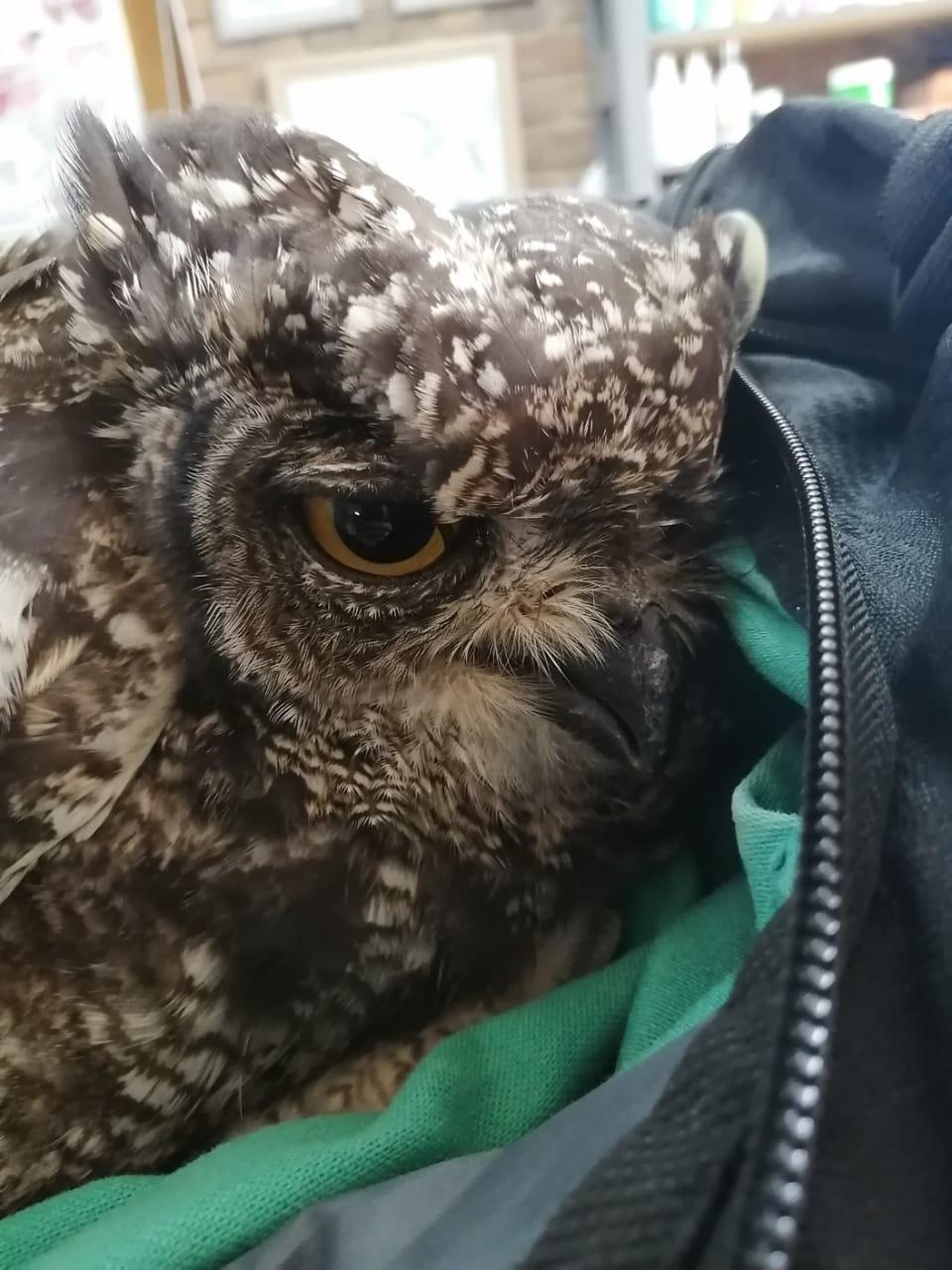
Why are your eyes so big and yellow?
Its piercing yellow eyes give it excellent night vision, essential for hunting in low-light conditions.
Scientific Name: Bubo africanus
Common Name: Spotted Eagle-Owl
Family: Strigidae (Typical owls)
Size: About 45 cm (18 in) tall
Wingspan: Up to 1.2 meters (4 ft)
Weight: Around 500–850 grams
Nocturnal: Most active at night.
Territorial: Defends its territory fiercely, especially during breeding season.
Solitary or in pairs: Usually seen alone or in breeding pairs.
Carnivorous – hunts small mammals (like rodents), birds, insects, frogs, and even reptiles.
Uses its silent flight and excellent vision and hearing to ambush prey.
Breeding season in southern Africa is usually from July to February.
Nests on the ground, in tree hollows, cliff ledges, or even buildings.
Lays 2–4 eggs, which hatch after about 30 days.
The chicks are fluffy, white, and leave the nest after about 5 weeks but remain dependent for longer.
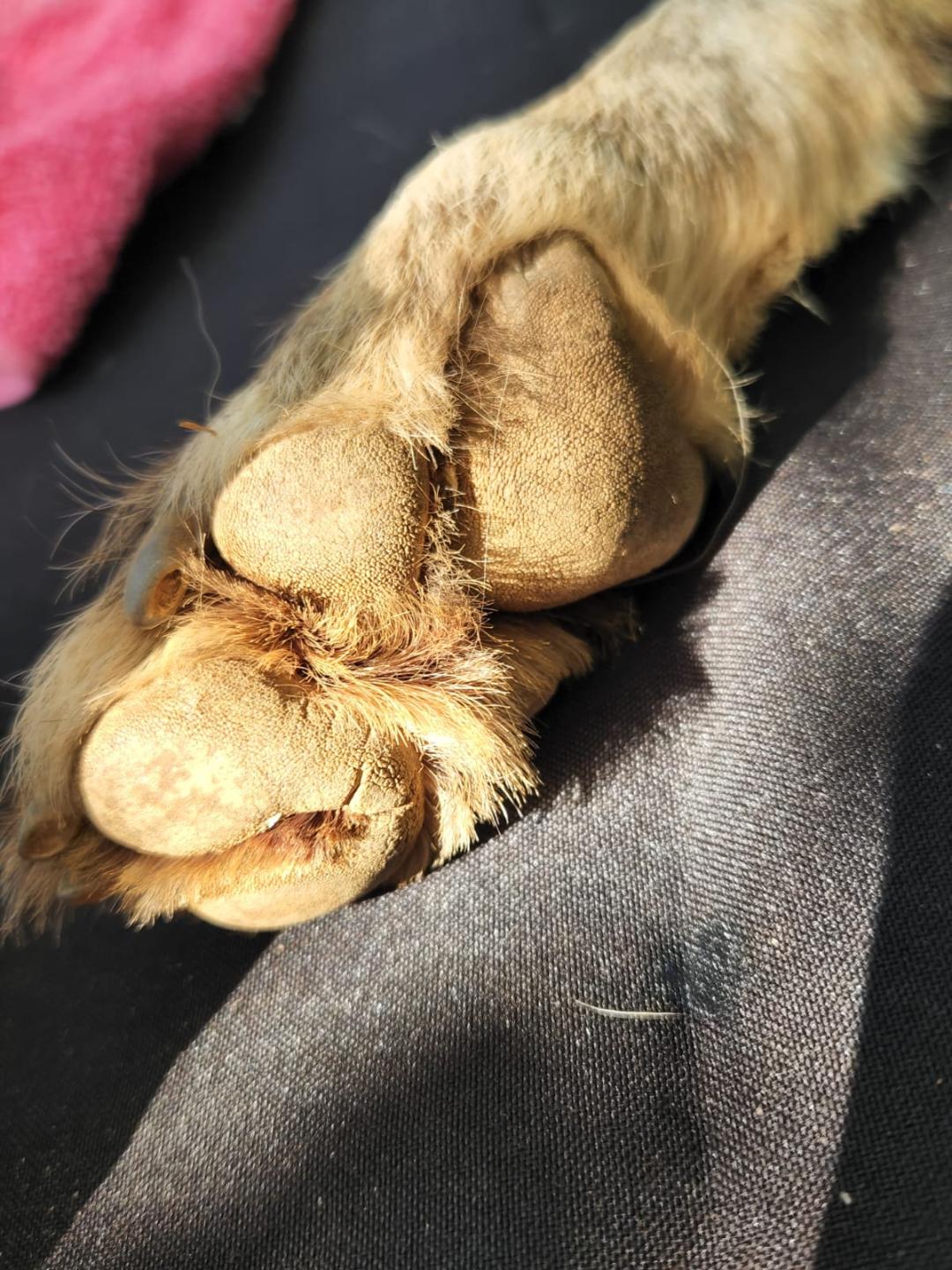
Did you know?
A lion’s roar can be heard from up to 8 km (5 miles) away — making it the loudest roar of any big cat. They use it to mark territory and keep in touch with pride members.
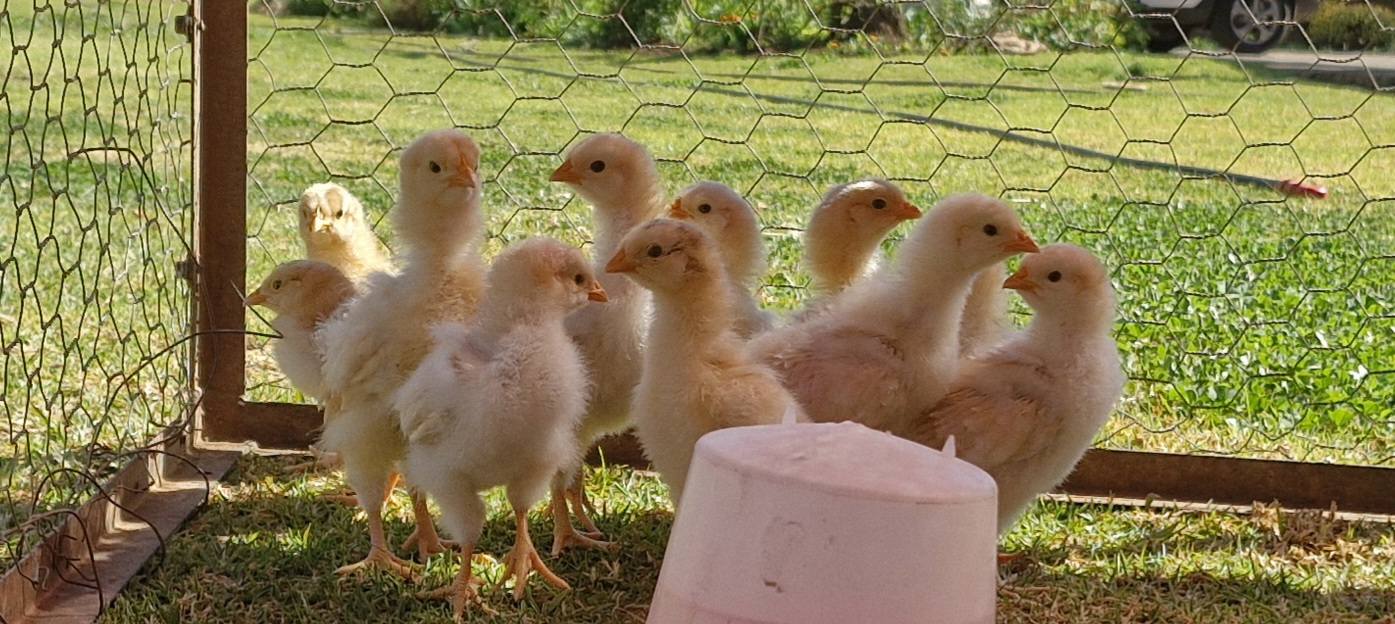
Origin: Buff Orpingtons were developed in the late 1800s in Orpington, England by William Cook. They were bred to be a dual-purpose bird—good for both meat and eggs.
Color: The “Buff” refers to their beautiful golden-yellow feather color, which is soft and fluffy, giving them a very attractive and friendly appearance.
Temperament: Buff Orpingtons are known for their calm, friendly, and docile nature. They are often considered excellent pets and are great with children.
Size: They are relatively large chickens, with hens weighing around 7-8 pounds and roosters up to 10 pounds, making them good meat birds.
Egg Production: Buff Orpington hens are reliable layers, producing about 175 to 200 large brown eggs per year.
Cold Hardy: Their dense feathering helps them tolerate cold weather well, making them suitable for various climates.
Broodiness: Buff Orpington hens often go broody, meaning they instinctively want to sit on eggs and hatch chicks, which can be good if you want to naturally raise chicks.
Exhibition: They are a popular breed in poultry shows due to their striking appearance and size.